The Architecture of Taste: Kyoto's Hidden Kaiseki Culture
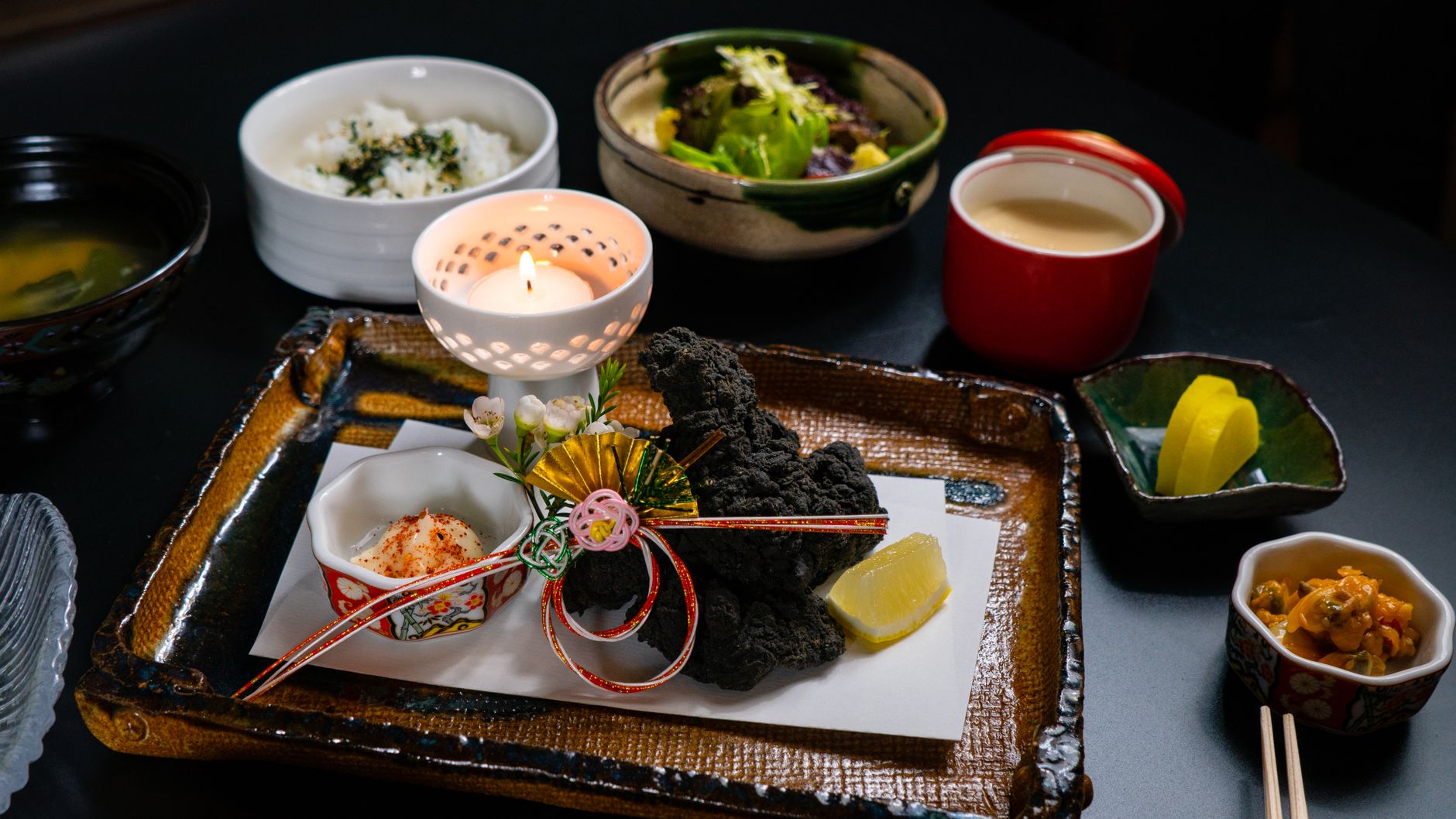
In a quiet alleyway off the Kamo River, behind an unmarked cedar door, culinary time operates according to twenty-four seasonal micro-divisions.
To taste authentic kaiseki in Kyoto is not simply to consume a multi-course dinner; it is an initiation into Japanese aesthetics where ceramics, flower placement, wood joinery, and broth chemistry harmonize into a temporary work of art.
The Alchemy of Pure Water and Kelp
The soul of Kyoto cuisine is groundwater. Filtered through surrounding mountain bedrock for decades, this soft water draws delicate umami from Rishiri kelp harvested off the northern tip of Hokkaido. There are no heavy fats or overpowering sauces; everything exists to elevate the fresh sweetness of bamboo shoots or wild sweetfish.
Master chefs spend fifteen years mastering the exact seconds a steaming pot of dashi must steep before being transferred to lacquered bowls. The broth is fragrant, pale, and deeply restorative.
"We do not decorate the ingredient; we uncover the memory of the soil and water that gave it life."
Living Inside a Traditional Ryokan
The experience culminates when staying in a centuries-old ryokan inn. Stepping onto fragrant rush tatami mats, sliding paper screens that reveal raked gravel gardens, and soaking in Hinoki cypress baths prepares the traveler for meditative rest. Here, hospitality (omotenashi) is felt as gentle foresight rather than intrusion.
Through our relationships with family-run establishments, 111111 guests gain access to private tea ceremonies and culinary masters whose doors remain closed to standard booking engines.
Experience Authentic Japanese Culture
Let our cultural specialists craft a contemplative route across Kyoto, Kanazawa, and Mount Koya.
Curate Your Japan Journey